
What Is Restorative Dentistry and Which Treatments Are Most Common?
March 4, 2026

Restorative dentistry focuses on repairing damaged teeth and restoring proper oral function so patients can enjoy a healthy and comfortable smile. Restorative dentistry in Davie includes a range of treatments designed to fix cavities, repair cracked or broken teeth, replace missing teeth, and strengthen weakened teeth. These procedures help patients regain the ability to chew, speak, and smile with confidence. Addressing dental problems early is important because untreated damage can worsen over time and lead to more complex oral health issues. Through modern restorative treatments, dentists can rebuild tooth structure, improve the appearance of the smile, and support long-term oral health while helping patients maintain strong, functional teeth for many years.
What Is Restorative Dentistry?
Restorative dentistry is a branch of dental care that focuses on diagnosing and treating oral health issues that affect the structure and function of the teeth. Unlike preventive dentistry, which aims to stop problems before they occur, restorative dentistry repairs damage that has already happened. Dentists use restorative treatments to rebuild teeth affected by decay, injury, or wear. These procedures not only improve the appearance of teeth but also restore their strength and function.
Restorative dentistry is important because untreated dental damage can worsen over time. Small cavities, cracks, or missing teeth can eventually lead to larger oral health problems if they are not treated promptly.
The Goals of Restorative Dentistry
The main goal of restorative dentistry is to bring teeth back to their optimal function and appearance. Dentists focus on repairing damaged areas while preventing further decay or injury. Treatments are designed not just to restore a tooth, but also to maintain the balance and alignment of the entire mouth.
- Restorative dentistry also aims to enhance overall oral health by:
- Preventing future dental problems by strengthening weak teeth
- Preserving natural tooth structure whenever possible
- Reducing discomfort caused by damaged or missing teeth
- Restoring confidence in smiling and speaking
By achieving these goals, restorative dentistry helps patients enjoy a fully functional bite, healthier gums, and a more aesthetically pleasing smile. This approach ensures that repairs are long-lasting and contribute to a lifetime of strong oral health.
Most Common Restorative Dentistry Treatments
There are several procedures included in restorative dentistry, each designed to address different types of dental problems. Dentists recommend specific treatments based on the condition of the patient’s teeth and overall oral health.
Common restorative dentistry treatments include:
- Dental fillings for repairing cavities
- Dental crowns to strengthen damaged teeth
- Dental bridges to replace missing teeth
- Dental implants for long-term tooth replacement
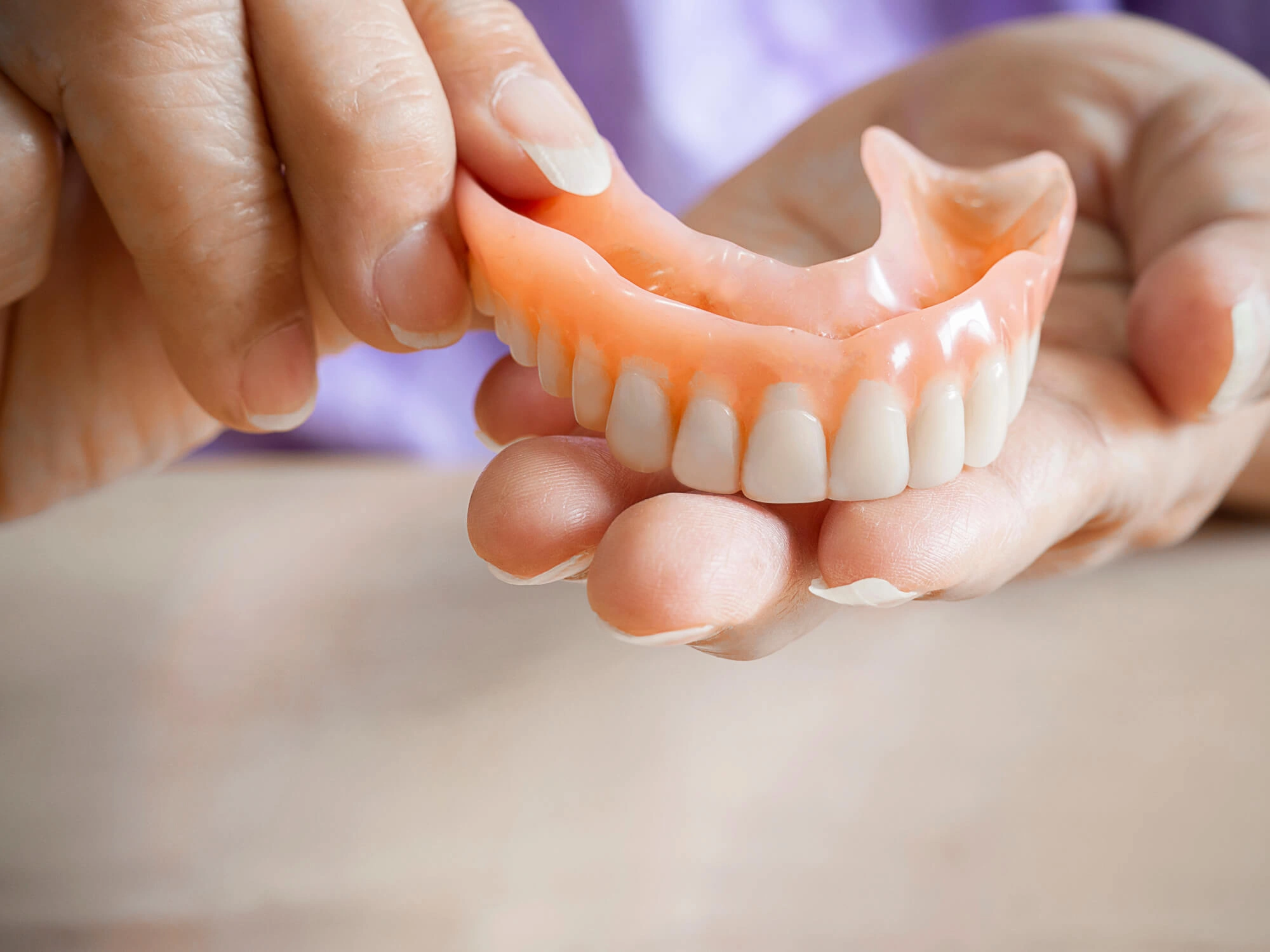
- Dentures for restoring multiple missing teeth
These treatments help restore both function and comfort, allowing patients to chew and speak normally again.
Types of Dental Materials Used in Restorative Dentistry
The success of restorative dentistry often depends on the materials used. Dentists select materials based on durability, aesthetics, and the location of the tooth being treated. Common materials include:
- Composite resins – Tooth-colored materials ideal for fillings and minor repairs
- Porcelain or ceramic – Strong, natural-looking materials often used for crowns and veneers
- Metal alloys – Durable materials used in crowns or bridges for back teeth
- Titanium – Commonly used for dental implants due to its strength and biocompatibility
Choosing the right material ensures the restored tooth can withstand daily wear, match the surrounding teeth, and provide long-term protection.
How Restorative Dentistry Improves Oral Health
Restorative dentistry does more than repair visible damage. It plays a major role in protecting overall oral health and preventing further complications.
When teeth are damaged or missing, the surrounding teeth and gums may also be affected. Restorative procedures help maintain the proper alignment of teeth and support healthy bite function.
Benefits of restorative dentistry include:
- Restoring normal chewing and speaking ability
- Preventing further tooth damage
- Protecting surrounding teeth from shifting
- Improving the appearance of the smile
- Supporting long-term oral health
Addressing dental problems early often results in simpler and more effective treatment outcomes.

Protecting Your Overall Health
Restorative dentistry not only improves your teeth but also supports overall health. Missing or damaged teeth can affect nutrition, digestion, and even speech. By restoring proper function, patients can eat a balanced diet comfortably, maintain clear speech, and reduce strain on surrounding teeth and gums. Early restorative care helps prevent additional oral and systemic health issues.
When Should You Consider Restorative Dentistry?
Many patients benefit from restorative dentistry when they experience symptoms of tooth damage or tooth loss. Early treatment can help prevent discomfort and more extensive dental procedures later. It is also recommended for patients who notice changes in bite alignment, difficulty chewing, or signs of weakened teeth. Regular dental checkups can help identify issues early, allowing restorative treatments to preserve natural teeth, prevent further oral health complications, and maintain both function and aesthetics. Taking action promptly ensures better outcomes and long-term oral health for patients of all ages.
Signs you may need restorative dental care include:
- Tooth pain or sensitivity
- Visible cracks or chips in teeth
- Missing teeth
- Large cavities or decay
- Difficulty chewing food
- Old or damaged dental work
A dental examination can determine the best treatment option based on your specific needs.
How to Maintain Restorative Dental Work
After restorative treatments, proper care is essential to ensure longevity. Maintaining your restored teeth can prevent complications and extend the lifespan of fillings, crowns, bridges, and implants.
Key tips for maintaining restorative dental work include:
- Brush twice daily with fluoride toothpaste
- Floss carefully around restorations to prevent plaque buildup
- Avoid chewing hard foods like ice, pens, or hard candies
- Wear a night guard if you grind your teeth
- Attend regular dental checkups for professional cleaning and evaluation
By following these steps, patients can protect both their natural teeth and their restorative work, ensuring a strong, functional smile for years to come.

Explore Modern Solutions for Restorative Dentistry in Davie
If you are experiencing dental damage or missing teeth, restorative dentistry in Davie can help restore your oral health and confidence. Modern restorative treatments are designed to rebuild teeth, improve function, and protect your smile for years to come. Flamingo Commons Dental provides personalized restorative treatments tailored to each patient’s needs. Whether you need a filling, crown, bridge, or another procedure, they can help you regain a strong and healthy smile. Schedule your consultation today to learn more about restorative dentistry and the treatment options available to you.