
How to Care for Your Dental Implants After Treatment
July 20, 2026

Receiving dental implants is an investment in your smile and overall oral health. Choosing the best dentist in Davie, FL, is an important first step, but proper aftercare is just as essential for long-term success. Dental implants are designed to be durable and long-lasting, but they require consistent oral hygiene, routine dental visits, and healthy lifestyle habits to protect the gums and bone that support them. By following your dentist's recommendations, you can enjoy a healthy, functional smile for many years.
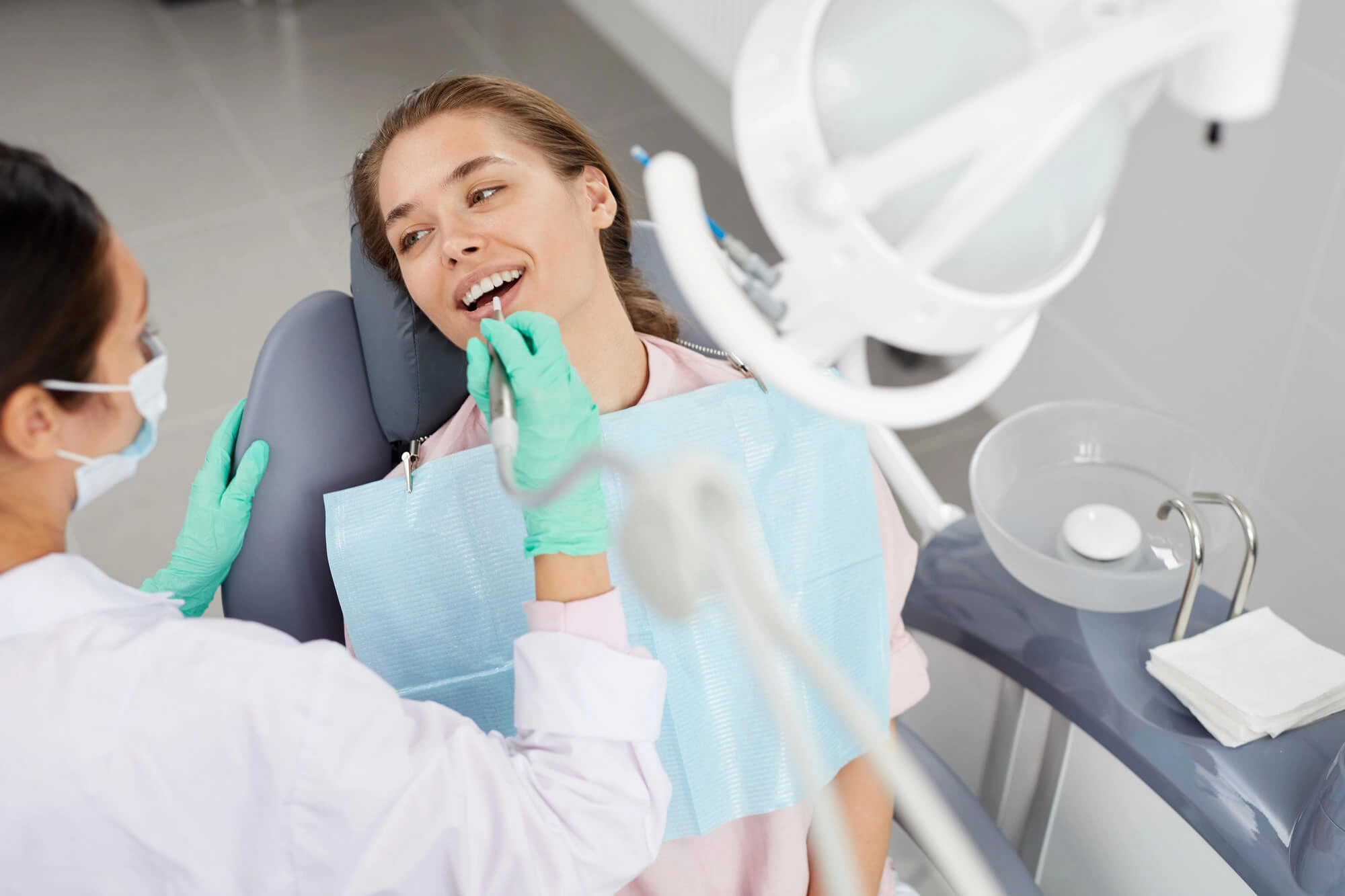
Why Dental Implant Care Matters
Dental implants replace the roots of missing teeth and provide a stable foundation for crowns, bridges, or dentures. While the titanium implant itself cannot develop cavities, the surrounding gum tissue and jawbone remain vulnerable to bacterial buildup and inflammation.
Without proper care, plaque can accumulate around the implant and lead to peri-implant disease, a condition similar to gum disease that affects the tissues supporting the implant. If left untreated, it can weaken the bone surrounding the implant and increase the risk of implant failure.
Fortunately, maintaining healthy dental implants is very similar to caring for your natural teeth. A combination of good home care and regular professional checkups plays a significant role in preserving your restored smile.
Build a Strong Daily Oral Hygiene Routine
The foundation of dental implant care starts at home. Consistent brushing and flossing remove plaque before it has a chance to irritate your gums or harden into tartar.
A healthy daily routine includes:
- Brushing twice a day with a soft-bristled toothbrush.
- Flossing around your implant every day.
- Using a non-abrasive toothpaste.
- Cleaning your tongue to reduce bacteria.
- Rinsing with an antimicrobial mouthwash if recommended by your dentist.
Pay special attention to the area where the implant meets the gumline, as plaque tends to collect there. Keeping this area clean helps protect the surrounding tissues and supports long-term implant stability.
Choose Foods That Promote Healing
Your eating habits also affect the success of your dental implants, especially during the healing period.
Immediately after implant placement, your dentist will likely recommend soft foods that require minimal chewing. As healing progresses, you can gradually return to your normal diet.
Some foods that are gentle during recovery include:
- Yogurt
- Scrambled eggs
- Mashed potatoes
- Oatmeal
- Smooth soups
- Applesauce
- Soft fish
- Cottage cheese
Even after your implant has fully healed, it's wise to avoid chewing on extremely hard objects like ice, hard candy, or popcorn kernels, as they can damage your restoration or place unnecessary stress on your implant.
Keep Up With Routine Dental Visits
Even excellent home care cannot replace professional dental cleanings and examinations. Regular checkups allow your dentist to monitor the health of your implants and identify any concerns before they become more serious.
What Happens During Your Checkup?
During routine visits, your dental team carefully evaluates both your implant and your overall oral health.
Your appointment may include:
- Examining the implant for stability.
- Checking the gums for inflammation.
- Removing plaque and tartar.
- Evaluating your bite.
- Inspecting the implant restoration for wear or damage.
- Monitoring bone and gum health around the implant.
These visits help ensure your implant continues functioning properly while giving your dentist an opportunity to recommend adjustments to your oral hygiene routine if necessary.
Protect Your Gums for Long-Term Success
Healthy gums are just as important as healthy teeth. Even though implants cannot decay, gum disease can still affect the tissues that support them.
Signs of unhealthy gums include persistent redness, swelling, bleeding while brushing, tenderness, or bad breath. If you notice any of these symptoms, contact your dentist promptly for an evaluation.
Keeping your gums healthy greatly improves the chances of maintaining your dental implant for many years.

Avoid Habits That Can Damage Your Implants
Daily habits can have a significant impact on the lifespan of your dental implants. While implants are made from strong, durable materials, they are not indestructible.
To help protect your restored smile, try to avoid habits such as:
- Smoking or using tobacco products
- Chewing on ice, pens, or hard candy
- Using your teeth to open packages
- Skipping your regular dental appointments
- Ignoring signs of gum irritation or discomfort
If you grind or clench your teeth while sleeping, talk to your dentist about a custom nightguard. A nightguard helps reduce excessive pressure on both your implants and your natural teeth, lowering the risk of damage over time.
How Lifestyle Choices Affect Dental Implants
Your everyday lifestyle plays an important role in the long-term success of dental implants.
Quit Smoking if Possible
Smoking is one of the leading risk factors for implant complications. It slows healing by reducing blood flow to the gums and may increase the likelihood of infection around the implant.
Quitting smoking before and after treatment can improve healing and contribute to better long-term outcomes.
Maintain a Healthy Diet
A balanced diet supports healthy gums and strong jawbone tissue. Foods rich in calcium, vitamin D, vitamin C, and protein contribute to healthy bone and soft tissue, which are essential for implant stability.
Drinking plenty of water also helps rinse away food particles and bacteria while supporting saliva production, which naturally protects your mouth.
Manage Overall Health
Certain medical conditions, such as uncontrolled diabetes, may affect healing and gum health. Following your physician's recommendations and maintaining good overall health can positively impact the success of your dental implants.
Signs Your Dental Implant Needs Attention
Dental implants have an excellent success rate, but it's important to recognize warning signs that may require professional care.
Contact your dentist if you experience:
- Persistent pain around the implant
- Swollen or bleeding gums
- Difficulty chewing comfortably
- A loose-feeling implant restoration
- Ongoing bad breath or an unpleasant taste
- Pus or drainage around the implant site
Prompt treatment can often resolve minor issues before they develop into more serious complications.
Frequently Asked Questions
How long do dental implants last?
With proper oral hygiene, regular dental visits, and healthy lifestyle habits, dental implants can last for many years. Consistent maintenance is one of the biggest factors in protecting your investment.
Do dental implants require special cleaning products?
Most patients can care for their implants using a soft-bristled toothbrush, dental floss, and non-abrasive toothpaste. Depending on your needs, your dentist may also recommend interdental brushes, floss threaders, or a water flosser to help clean around the implant more effectively.

Protect Your Smile with the Best Dentist in Davie, FL
Proper care after dental implant treatment is essential for maintaining a healthy, confident smile. By practicing excellent oral hygiene, eating a balanced diet, avoiding harmful habits, and keeping up with regular dental checkups, you can help ensure your implants remain stable and functional for years to come. Routine professional care also allows potential concerns to be detected early, protecting both your implants and your overall oral health. If you have questions about caring for your dental implants or are considering implant treatment, the experienced team at Flamingo Commons Dental is here to provide personalized care and ongoing support. Schedule your appointment today and take the next step toward preserving your restored smile.