
How Endodontic Care Can Help Save a Damaged Tooth
September 7, 2026

A damaged or infected tooth does not always need to be removed. Endodontic care focuses on the inside of the tooth, where the pulp and root canals are located. It can often help preserve a natural tooth when disease or injury has affected these structures.
If you are looking for a dentist in Davie, FL, understanding how endodontic treatment works can help you recognize when professional care may be necessary.
What Is Endodontic Care?
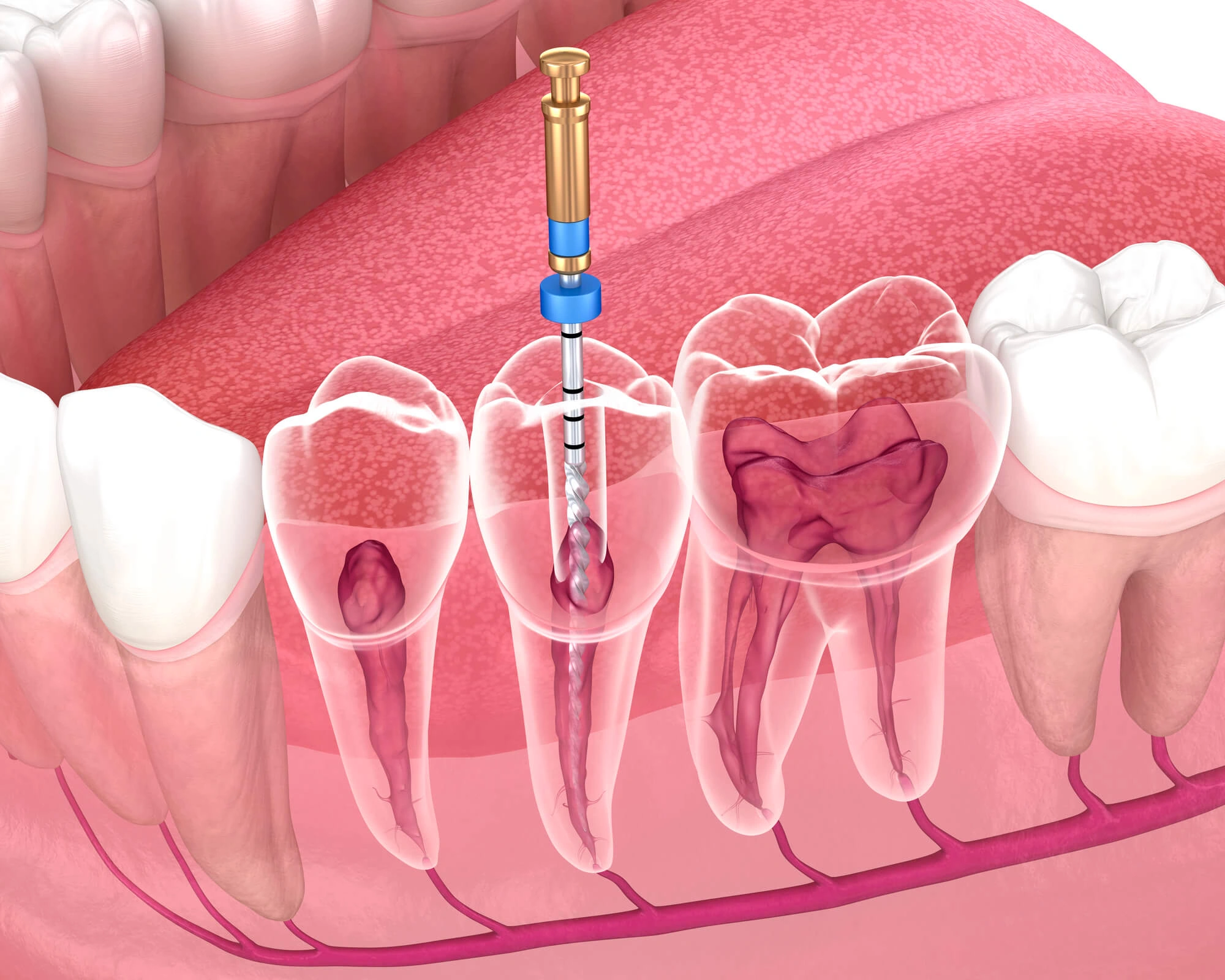
Endodontics is the area of dentistry focused on diagnosing and treating problems involving the dental pulp and tissues surrounding the roots of teeth. The pulp contains nerves and blood vessels and can become inflamed or infected because of deep decay, cracks, repeated dental procedures, or trauma. When the pulp cannot recover on its own, treatment may be recommended to remove the source of infection while preserving the tooth.
A root canal is one of the most common forms of endodontic treatment. Rather than removing the entire tooth, the procedure removes damaged or infected pulp from inside the tooth, cleans the root canals, and seals the space. This allows the natural tooth structure to remain in place while preventing bacteria from further affecting the treated area.
What Can Cause Damage to the Dental Pulp?
The dental pulp can become damaged for several reasons, and symptoms may not always appear immediately. Deep tooth decay is a common cause because bacteria can eventually reach the inner portion of the tooth. A cracked or fractured tooth may also allow bacteria to enter areas that are difficult to clean through normal brushing and flossing.
Other potential causes include:
- Dental trauma or injury
- Repeated procedures on the same tooth
- Deep cavities
- Cracks or fractures
- Significant wear or damage
- Bacterial infection inside the tooth
Identifying the underlying cause is important because treatment needs to address more than the discomfort itself. A dental evaluation can help determine whether the pulp has been affected and whether endodontic treatment may help preserve the tooth.
What Are the Signs You May Need Endodontic Treatment?
Tooth pain is one of the most recognizable warning signs, but endodontic problems can present in different ways. Some patients experience sensitivity to hot or cold that lingers after the source is removed; others notice pain when biting or chewing. Swelling, tenderness around the tooth, or a small bump on the gums can also indicate an infection.
Can a Tooth Be Infected Without Severe Pain?
Yes, a damaged or infected tooth does not always cause intense pain. In some cases, the nerve inside the tooth may become severely damaged or die, reducing the sensation while infection continues around the root. This is one reason a dental evaluation is important when unusual changes occur, even if discomfort is mild.
Imaging and clinical examination can provide information that cannot be determined from symptoms alone. Your dental provider may evaluate the tooth's structure, surrounding bone, and root area to determine the source of the problem.
How Does Root Canal Treatment Save a Tooth?
Root canal treatment is designed to remove infected or inflamed pulp while keeping the natural tooth in place. During the procedure, the affected tissue is carefully removed, and the root canals are cleaned and shaped. The canals are then filled and sealed to help prevent bacteria from entering again.
What Happens After the Root Canal?
After root canal treatment, the tooth may require additional restoration to protect its remaining structure. Depending on the condition of the tooth, a crown or another restoration may be recommended to help restore strength and function. Your dentist will determine the appropriate restoration based on the amount of healthy tooth structure that remains.
Following your provider's post-treatment instructions is important for protecting the tooth during healing. Some temporary tenderness may occur, but persistent or worsening symptoms should be reported to your dental team.
Why Is Saving the Natural Tooth Important?
Whenever possible, preserving a natural tooth can provide important functional benefits. A natural tooth maintains its position in the dental arch and continues to work with surrounding teeth during chewing. Keeping the tooth may also help avoid the need for replacement with a dental bridge, implant, or other restoration.
However, saving a tooth is not always possible or appropriate. If a tooth has extensive structural damage or cannot be predictably restored, extraction may ultimately be recommended. The best approach depends on the tooth's condition, the surrounding tissues, and your overall oral health.
What Happens If a Damaged Tooth Is Left Untreated?
A damaged or infected tooth may continue to deteriorate if treatment is delayed. An infection can extend into the tissues surrounding the root and potentially cause swelling, discomfort, or bone damage. Even when symptoms temporarily improve, the underlying problem may remain.
Seeking an early evaluation can provide more treatment options and may increase the likelihood of preserving the natural tooth. If you have persistent sensitivity, pain, swelling, or a known crack, discussing the problem with your dental provider is an important step.

Frequently Asked Questions
Is Root Canal Treatment Painful?
Root canal treatment is performed with anesthesia to minimize discomfort, although some temporary tenderness may occur afterward.
How Long Does a Root Canal Take?
Treatment time varies depending on the tooth and its condition, and your provider can provide a more specific timeline after evaluation.
Can a Cracked Tooth Be Saved With Endodontic Treatment?
Some cracked teeth can be saved with endodontic treatment, depending on the location and severity of the crack.
What Happens If I Do Not Need a Root Canal?
If a root canal is not needed, your dentist will identify the cause of your symptoms and recommend the most appropriate treatment.
How Can I Protect a Tooth After Endodontic Treatment?
Good oral hygiene, regular dental visits, and following your provider’s care instructions can help protect a treated tooth.

Schedule Your Visit to a Dentist in Davie, FL, Today!
If you are experiencing persistent tooth pain, sensitivity, swelling, or other signs of a damaged tooth, do not wait for symptoms to become severe before seeking an evaluation. Flamingo Commons Dental can assess the condition of your tooth and explain whether endodontic treatment may help preserve it.
Schedule a consultation to discuss your symptoms and learn about the treatment options available for your dental needs.