
Are You a Good Candidate for Dental Implants?
October 2, 2026

Most healthy adults with sufficient jawbone and gum health are good candidates for dental implants in Davie, FL. However, a few factors can affect eligibility. Implants have become one of the most reliable ways to replace missing teeth. Still, dental implants aren't automatically right for everyone without an evaluation.
Age, oral health, bone density, and certain medical conditions all play a role in determining candidacy.
What Makes Someone a Good Candidate for Implants?
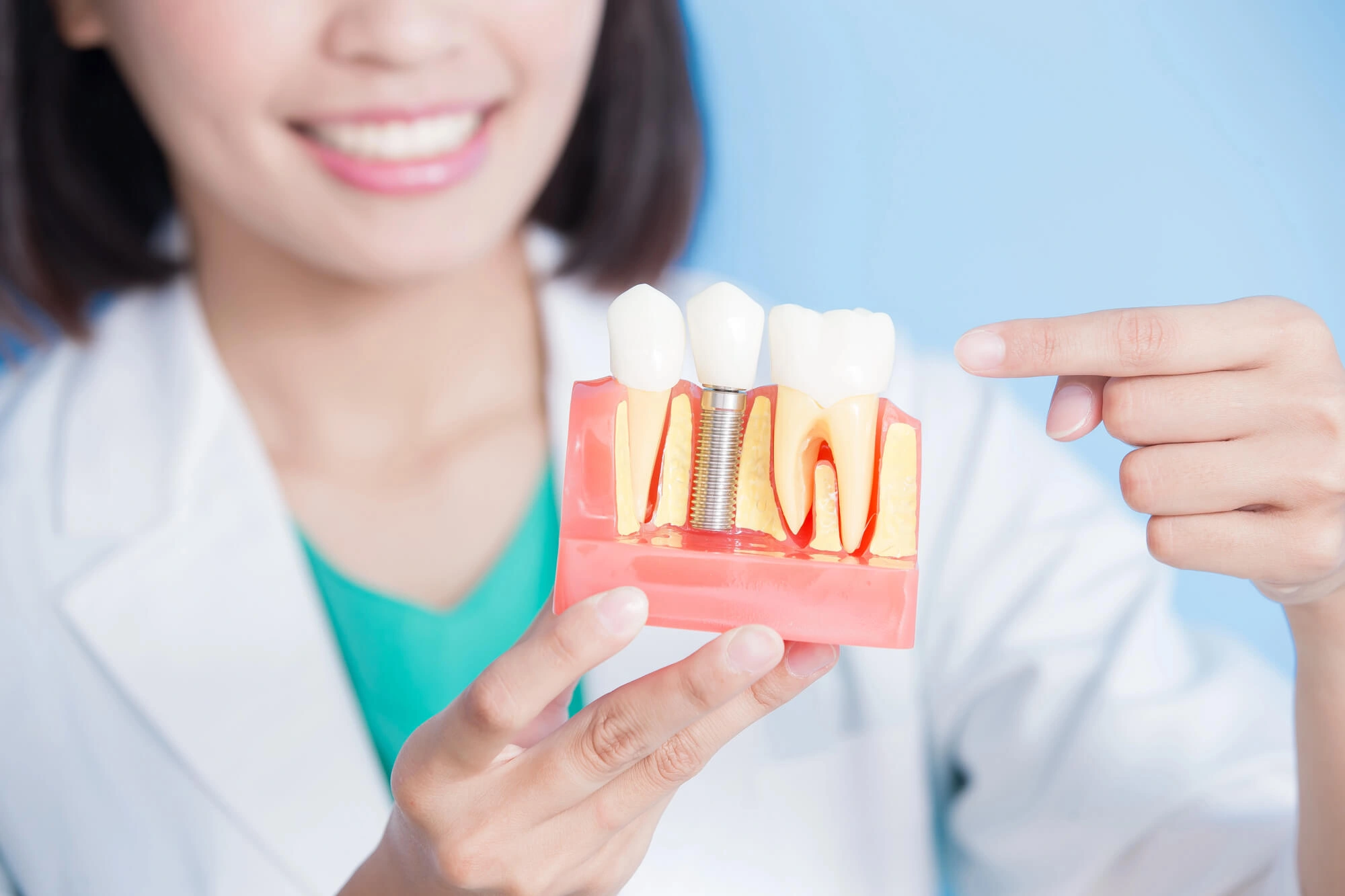
Ideal candidates generally have healthy gums, adequate bone density in the jaw, and no untreated oral health issues like active decay or infection. Implants rely on osseointegration, the process where the implant fuses with the jawbone, so a stable bone foundation is essential for long-term success.
Overall health also matters, since certain systemic conditions can affect healing after surgery. Most importantly, candidates should be committed to maintaining good oral hygiene, since implants require the same care as natural teeth to stay healthy long term.
Age alone rarely disqualifies someone from getting implants, as long as jaw growth is complete and overall health supports the procedure. This means implants are typically not recommended for younger patients whose jaws are still developing. Still, there's no upper age limit for healthy adults.
What matters more than age is the condition of the mouth and the patient's ability to heal properly after surgery. A thorough evaluation gives a much clearer picture than assumptions based on age alone.
Factors That Support Implant Candidacy
Several specific factors make someone a stronger candidate for successful implant treatment. Reviewing these can help you understand what your dentist will be assessing during your evaluation. Supportive factors include:
- Sufficient jawbone density to anchor the implant securely
- Healthy gum tissue free from active periodontal disease
- Good overall health with well-managed chronic conditions
- Commitment to consistent oral hygiene and regular dental visits
- Non-smoking status, or willingness to quit before and after treatment
Meeting most or all of these factors generally points toward a smoother, more predictable implant process. Even if you don't meet every criterion perfectly, that doesn't automatically rule you out, since many issues can be addressed before treatment begins.
Conditions That May Require Additional Evaluation
Certain health conditions don't necessarily disqualify someone from getting implants, but they often require closer monitoring or additional preparation beforehand. Conditions like uncontrolled diabetes, autoimmune disorders, or a history of radiation therapy to the jaw can affect healing and implant success rates.
Smoking is another significant factor, since it restricts blood flow and can slow healing considerably. Patients with these conditions aren't automatically excluded but may need a modified treatment plan or additional precautions.
Bone loss is one of the most common reasons patients need extra steps before implant placement. When a tooth has been missing for a long time, the surrounding bone often shrinks due to a lack of stimulation.
In these cases, a bone grafting procedure may be recommended to rebuild adequate density before an implant can be placed. This doesn't mean implants are off the table, just that the timeline may be a bit longer than for patients with strong existing bone structure.
How Does a Dentist Evaluate Candidacy?
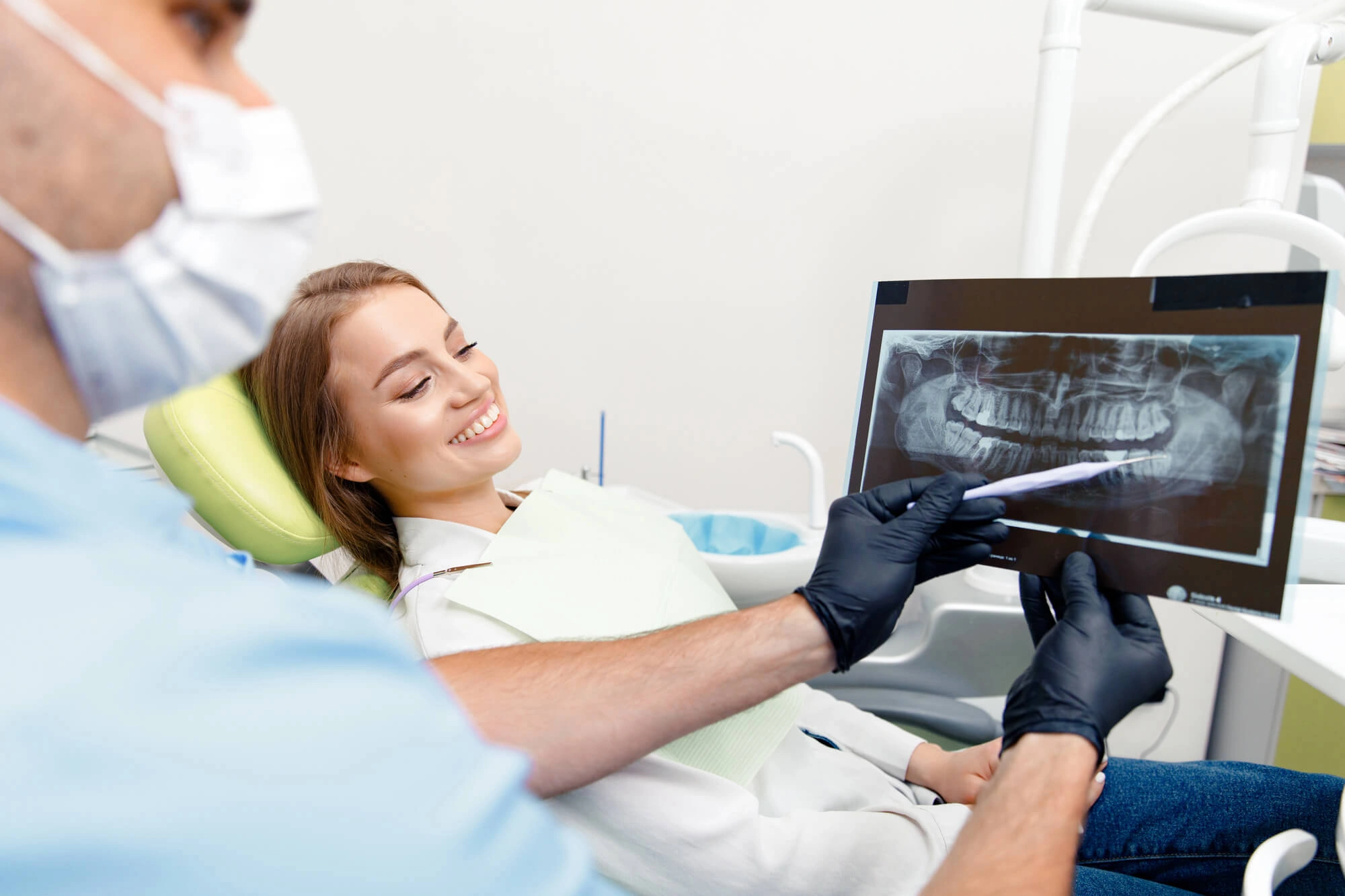
The evaluation process typically starts with a thorough review of your dental and medical history, including any medications or chronic conditions. Imaging, such as X-rays or a CT scan, allows your dentist to assess bone density and identify the best placement location for the implant.
A physical exam of your gums and remaining teeth helps determine whether any underlying issues need to be addressed first. Based on these findings, your dentist can recommend either moving forward directly with implants or completing preparatory steps beforehand.
This evaluation is also an opportunity to discuss your goals and expectations for treatment. Some patients need a single implant to replace one missing tooth, while others may be considering implants to support a full arch of replacement teeth.
Understanding your specific situation allows your dentist to create a treatment plan tailored to your needs rather than applying a one-size-fits-all approach. Being open about your medical history and lifestyle habits helps ensure the plan set for you is realistic and effective.
What If You're Not an Ideal Candidate Right Away?
Being told you're not immediately ready for implants doesn't mean the option is permanently off the table. Many patients improve their candidacy through targeted steps like treating gum disease, quitting smoking, or completing bone grafting procedures.
These preparatory treatments are common and often lead to successful implant placement once completed. Your dentist can outline exactly what steps would improve your eligibility and give you a realistic timeline for treatment.
Making Lifestyle Adjustments Before Treatment
Certain lifestyle changes can meaningfully improve your chances of a successful implant outcome. Quitting smoking, even temporarily around the time of surgery, significantly improves healing and reduces the risk of implant failure.
Better management of conditions like diabetes can also reduce complications during recovery. Small adjustments made ahead of time often make a noticeable difference in how smoothly your treatment progresses.
Frequently Asked Questions
Can I get implants if I have gum disease?
Gum disease typically needs to be treated and stabilized first, since active infection can interfere with implant success.
Is there an age limit for dental implants?
There's no strict upper age limit for healthy adults, though patients should have fully developed jawbones before receiving implants.
Do I need to quit smoking before getting implants?
Smoking increases the risk of implant failure, so many dentists recommend quitting or at least pausing use around the time of surgery.
What if I don't have enough jawbone for implants?
Bone grafting can often build up the necessary density, allowing many patients who initially lack sufficient bone to still qualify for implants.
How long does the candidacy evaluation take?
An initial evaluation, including imaging and a physical exam, is usually completed within a single consultation visit.
Schedule Your Appointment for Dental Implants in Davie, FL
Determining candidacy is the first step toward a confident, informed decision about replacing missing teeth. Every patient's situation is different, which is why a personalized evaluation matters far more than general assumptions about who qualifies.
Flamingo Commons Dental offers thorough consultations to assess your candidacy and guide you through any necessary preparation. Schedule your evaluation and find out if implants are the right choice for you.