
What to Eat While Adjusting to New Dentures
November 3, 2025
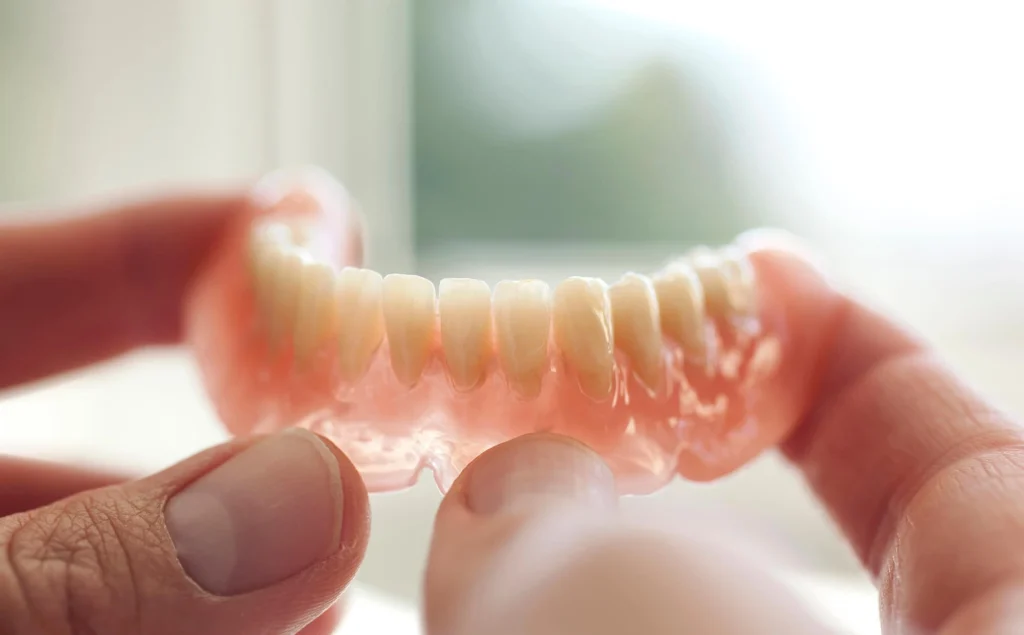
Adjusting to new Davie dentures takes time, and one of the biggest changes you’ll notice right away is how eating feels. Even with a precise fit, your mouth needs a little time to adapt to the way dentures sit, shift pressure, and work with your bite.
Most people experience a short transition period filled with learning curves: food feels different, chewing takes more effort, and your gums may feel tender here and there.
The right foods can make the process much easier. Choosing easy-to-chew options allows your gums to heal, encourages your muscles to adapt, and helps you build confidence while eating.
How Dentures Affect Eating
Eating with dentures involves new mechanics your mouth hasn't had to use before. Natural teeth anchor into the jawbone, giving you strong, targeted chewing ability. Dentures sit on top of the gums, so your mouth needs a short adjustment period to learn even pressure and balanced movements.
You may notice that chewing feels weaker at first. This often happens because you’re adjusting to using both sides of your mouth at the same time, one of the keys to keeping dentures stable while chewing.
You may also notice changes in taste or texture. Full dentures cover part of the palate, which can slightly affect the way food tastes until you adjust.
Some mild soreness is common in the early days because your gums are adapting to new pressure points. Small slips or shifts are also normal as your mouth learns to keep dentures secure. The goal is gradual improvement, not perfection overnight.
Stage 1: The First 48–72 Hours — Soft, Smooth Foods Only
Why This Stage Matters
Your gums will likely be tender during the first two or three days. Sticking to soft, smooth foods protects delicate tissues and allows your mouth to settle.
Soft foods also reduce pressure on sore spots and help your muscles begin working with your new dentures at a comfortable pace.
Best Foods to Start With
Aim for foods that require little to no chewing:
- Mashed potatoes
- Yogurt
- Applesauce
- Pudding
- Oatmeal or cream of wheat
- Smoothies
- Scrambled eggs
- Pureed soups
- Soft, creamy pastas
- Broth-based soups
Warm but not overly hot foods often feel soothing, and smooth textures are easy to manage even with tender gums.
Foods to Avoid for Now
Avoid anything that might irritate your gums or requires significant chewing, such as:
- Hard or crusty bread
- Raw vegetables
- Nuts or seeds
- Tough meats
- Very hot foods that can burn areas still adjusting to new pressure
This is also not the time for sticky foods like caramel, taffy, or chewy candy.
Helpful Tips
- Use smaller utensils to help control bite size.
- Take your time. Slow, steady eating helps you avoid sore spots.
- Sip water between bites to make swallowing easier.
- If your dentures feel loose, avoid biting into anything directly until your dentist has evaluated the fit.
Stage 2: Soft, Easy-to-Chew Foods (Days 3–14)
Transitioning to More Texture
Once initial soreness settles, you can start introducing foods that require a bit more chewing. This stage helps your mouth learn how to manage pressure more evenly.
You’ll likely notice that chewing becomes smoother, and you’ll grow more confident about eating a wider range of foods.
Ideal Foods During This Stage
Add softer foods you can gently chew:
- Scrambled eggs
- Pasta and soft noodles
- Soft rice
- Tender fish (such as salmon or cod)
- Tofu
- Steamed vegetables
- Slow-cooked meats like shredded chicken or pot roast
- Cottage cheese
- Soft, ripe fruits like bananas or peaches
Keeping foods moist makes them even easier to handle. Sauces, gravies, and broths can be very helpful here.
Foods to Continue Avoiding
Even though you're progressing, it’s still best to avoid:
- Sticky foods like chewing gum or caramel
- Raw carrots, crunchy lettuce, or hard fruits
- Tough steak or jerky
- Popcorn, nuts, or seeds
They can place too much pressure on tender gums or cause dentures to shift unexpectedly.
Extra Tips
- Cut food into very small pieces to make chewing easier.
- Try to chew on both sides of your mouth simultaneously to stabilize dentures.
- Place food directly on your molars instead of your front teeth.
- Slow down. Patience reduces soreness and helps you develop good denture habits.
Stage 3: Introducing Regular Foods Again (Week 3 and Beyond)
What You Can Slowly Reintroduce
By week three, many people feel comfortable adding firmer foods. You can gradually try:
- Soft but firmer fruits (pears, apples cut into small pieces)
- Cooked vegetables
- Thicker sandwiches (cut into manageable bites)
- Well-cut meats
- Lightly toasted bread
Move slowly and pay attention to how your gums feel. If something feels uncomfortable, pause and try again later.
Foods You Should Still Be Cautious With
Some foods remain challenging even after a few weeks:
- Hard nuts and seeds
- Corn on the cob
- Very sticky candies
- Hard chips
- Tough steak or ribs
Since they require stronger bite force, they may cause dentures to move or rub.
Signs You May Need a Reline or Adjustment
If eating regular foods continues to feel difficult, your dentist may recommend a denture adjustment or reline.
Call your dentist if you notice:
- Persistent sore spots
- Difficulty keeping dentures in place
- Clicking sounds when chewing
- Frequent rubbing or irritation
Small adjustments can make a big difference in comfort and stability.
Smart Eating Techniques for New Denture Wearers
Practicing proper habits early helps build confidence as you add more varied foods:
- Take smaller bites than you’re used to.
- Chew slowly and allow extra time at meals.
- Add sauces, gravies, or broths to soften foods.
- Avoid biting directly into foods like apples or sandwiches—cut them instead.
- Stay hydrated to keep your mouth comfortable and reduce friction.
- If your dentist recommends it, use a denture adhesive temporarily to help with early stability.
Best Snacks for New Denture Wearers
Denture-friendly snacks keep you full without causing discomfort.
Good options include:
- Bananas
- Cottage cheese
- Hummus with very soft crackers
- Ripe avocado
- Yogurt
- Applesauce cups
- Soft cheese slices
It’s best to avoid hard chips, popcorn, or nuts. They can irritate your gums or cause your dentures to shift.
When to Call Your Dentist
A little discomfort is normal, but ongoing pain or difficulty shouldn’t be ignored.
Contact your dentist if you experience:
- Soreness lasting longer than two weeks
- Trouble chewing even soft foods
- Dentures that slip often or feel loose
- Painful pressure points or ulcers on your gums
- Sudden changes in how your dentures fit
Your dentist can make quick adjustments that improve comfort and chewing ability.

Get Quality Davie Dentures at Flamingo Commons Dental
If you’re preparing for dentures or exploring your options, we offer high-quality dentures designed to restore your smile with comfort and confidence. Contact us today to schedule your appointment!